
Dean Faculty of Computing

Prof. Dr. Reehan Ali Shah
Dean Faculty of Computing
Email: dean.foc@sbbusba.edu.pk
Department of Information Technology
Introduction
The Department of Information Technology (IT) at Shaheed Benazir Bhutto University, Shaheed Benazirabad (SBBU SBA) was established in 2015 with the vision of advancing education, research, innovation, and professional development in the rapidly evolving field of Information Technology. Since its establishment, the department has progressively expanded its academic and research portfolio and has developed into an important center for computing education and technological innovation in the region.
Information Technology is a dynamic and interdisciplinary field encompassing the study, design, development, implementation, integration, and management of computer-based systems and innovative technological solutions. It focuses on applying computing technologies, software engineering, data-driven approaches, digital systems, networks, and emerging technologies to address real-world challenges and improve efficiency, productivity, and quality of life across diverse sectors.
The Department of Information Technology currently offers a comprehensive range of academic programs, including Bachelor of Science in Information Technology (BSIT), Bachelor of Science in Artificial Intelligence (BSAI), Master of Science in Information Technology (MSIT), and PhD in Information Technology (PhD IT), providing educational pathways from undergraduate to doctoral level.
The department is supported by a highly qualified and diverse faculty, including PhD scholars and academic professionals with expertise in contemporary areas of computing and emerging technologies. Its academic and research activities encompass areas such as Artificial Intelligence, Cybersecurity, Data Science, Software Engineering, Cloud Computing, Networking, Internet of Things (IoT), Machine Learning, Distributed Computing, and Digital Transformation. To support effective teaching, practical learning, and advanced research, the department is equipped with modern computing laboratories, networking and specialized IT facilities, research
infrastructure, and technology-enabled learning environments. The department emphasizes a balanced integration of theoretical knowledge, practical skills, research, innovation, and professional development through laboratory work, research projects, seminars, workshops, exhibitions, industry engagement, and other academic activities.
The Department of IT is committed to preparing graduates, researchers, and technology professionals who can solve complex real-world problems, develop innovative technological solutions, contribute to research and knowledge creation, and respond effectively to the evolving needs of industry, academia, government, and society. Through its academic programs, research initiatives, collaborations, and continuous engagement with emerging technologies, the department aims to contribute to the digital transformation and sustainable technological development of Sindh, Pakistan, and beyond.
Vision
To empower students with cutting-edge knowledge and skills in Information Technology, contributing to socio-economic development and serve the community regionally and globally through excellence in teaching and research.
Mission
To provide quality education in Information Technology that is accessible and affordable, fostering innovation, critical thinking, and problem-solving skills to develop competent professionals who contribute to socio-economic development.
Program Objective of Department of Information Technology
-
Program Objective 1: To equip graduates with advanced technical skills and problem-solving abilities that enable them to excel in dynamic and competitive global IT environments, fostering innovation and contributing to socio-economic development.
-
Program Objective 2: To cultivate a culture of research and innovation that encourages faculty and students to collaborate on real-world technological challenges, promoting industry-academia partnerships to drive technological advancement.
-
Program Objective 3: To develop socially responsible IT professionals who are committed to ethical practices and societal development, capable of leading positive change through technology while upholding global standards.
For further contact
Dr. Mairaj Nabi
Chairman Department of I.T
Email: chairman_it@sbbusba.edu.pk
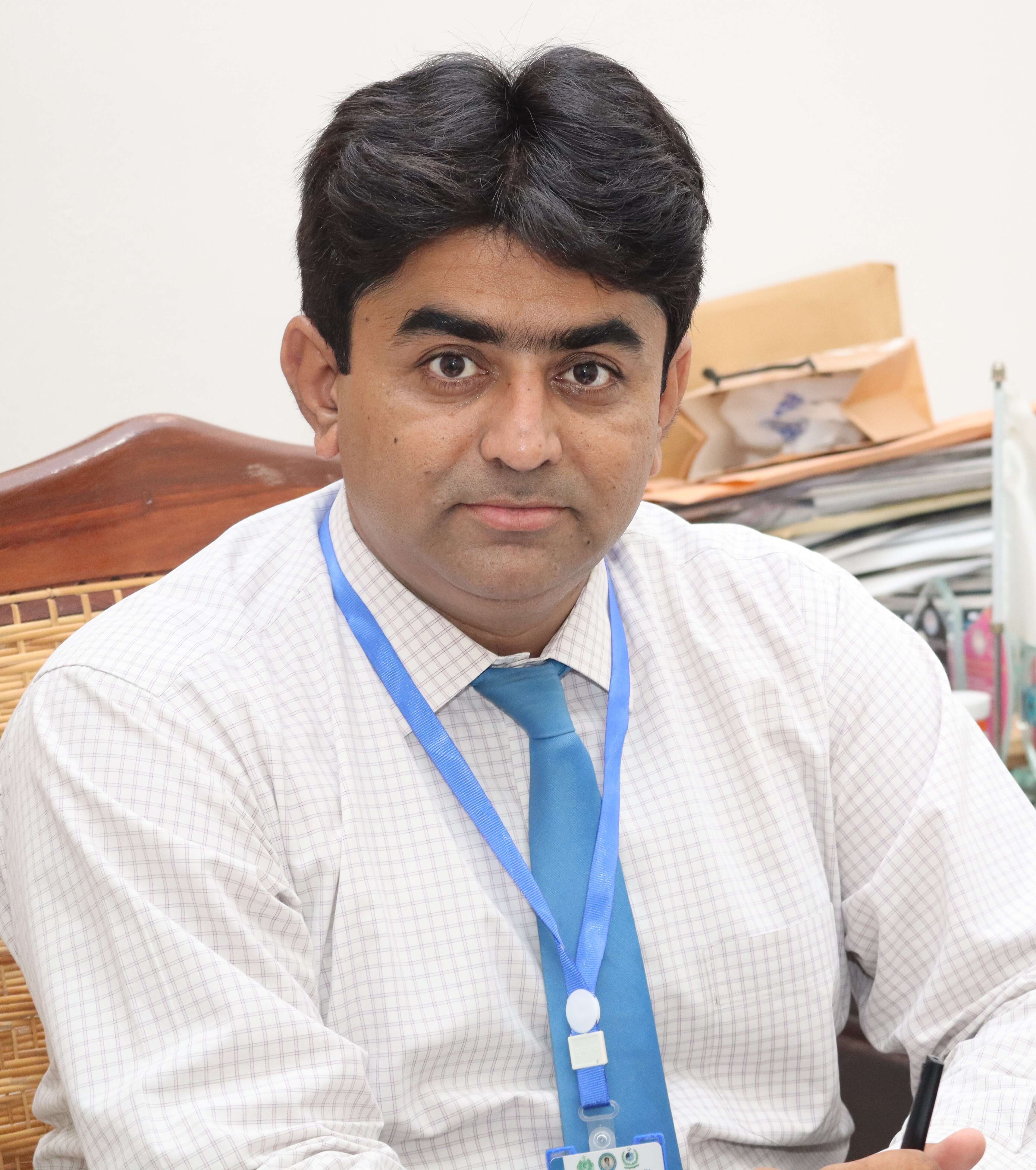
Dr. Mairaj Nabi
Chairman Department of Information Technology
PhD (Information Technology), Pakistan
Email: chairman_it@sbbusba.edu.pk
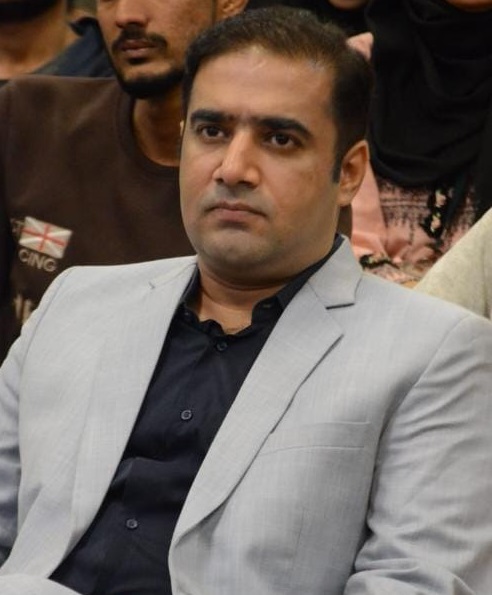
Dr. Asif Ali Wagan
Associate Professor
Phd (Information Technology), Malaysia
Email: asifwagan@sbbusba.edu.pk
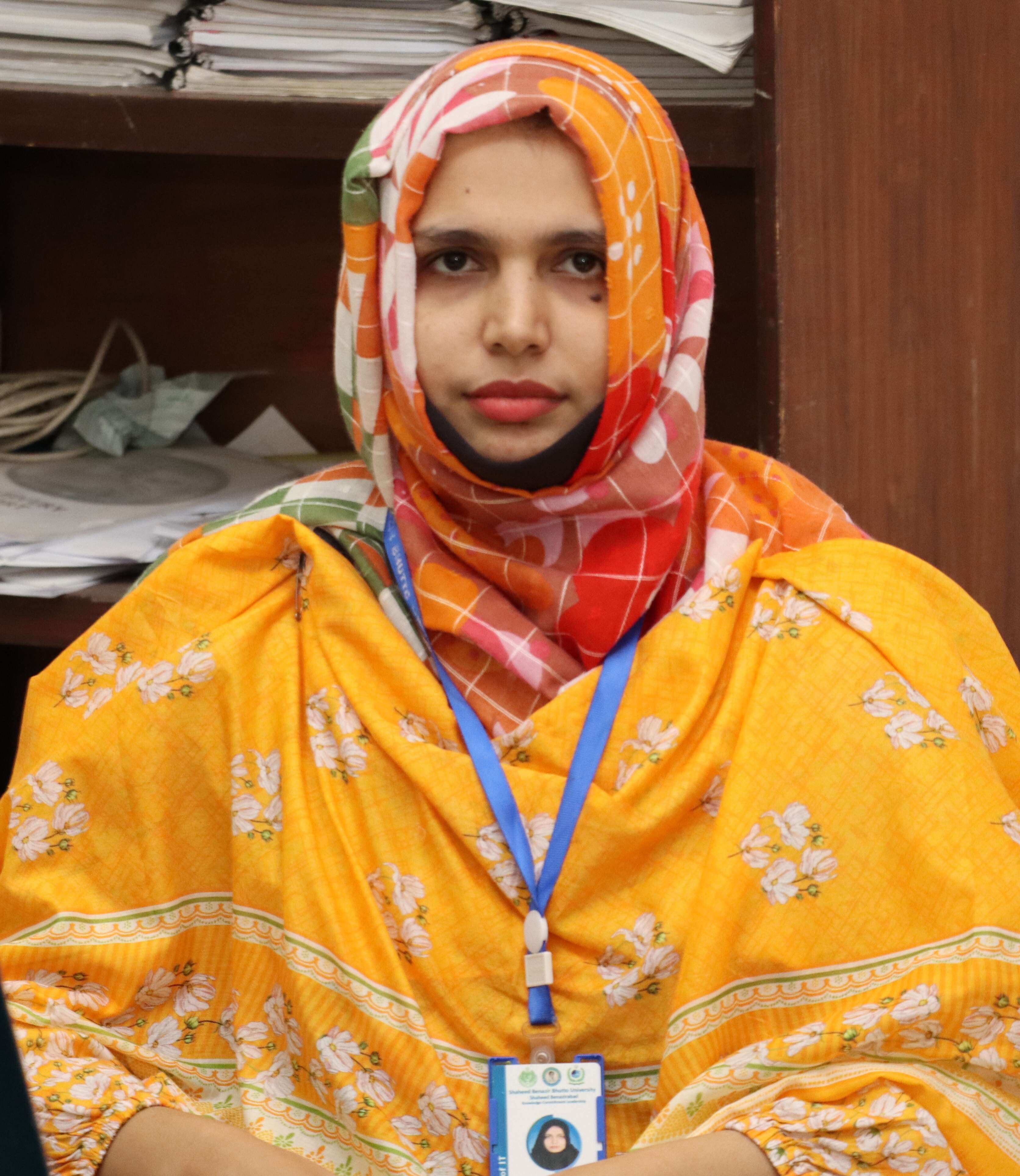
Dr. Irum Naz Sodhar
Assistant Professor
Post Doc. (Kulliyyah Of Information and Communication Technology), Malaysia
PhD (Information Technology), Pakistan
Email: irumnaz@sbbusba.edu.pk
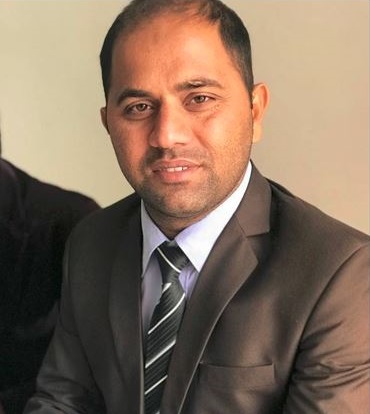
Dr. Azeem Ayaz Mirani
Assistant Professor
PhD (Information Technology), Pakistan
M.S (Information Technology), Pakistan
Email: azeemayaz@sbbusba.edu.pk
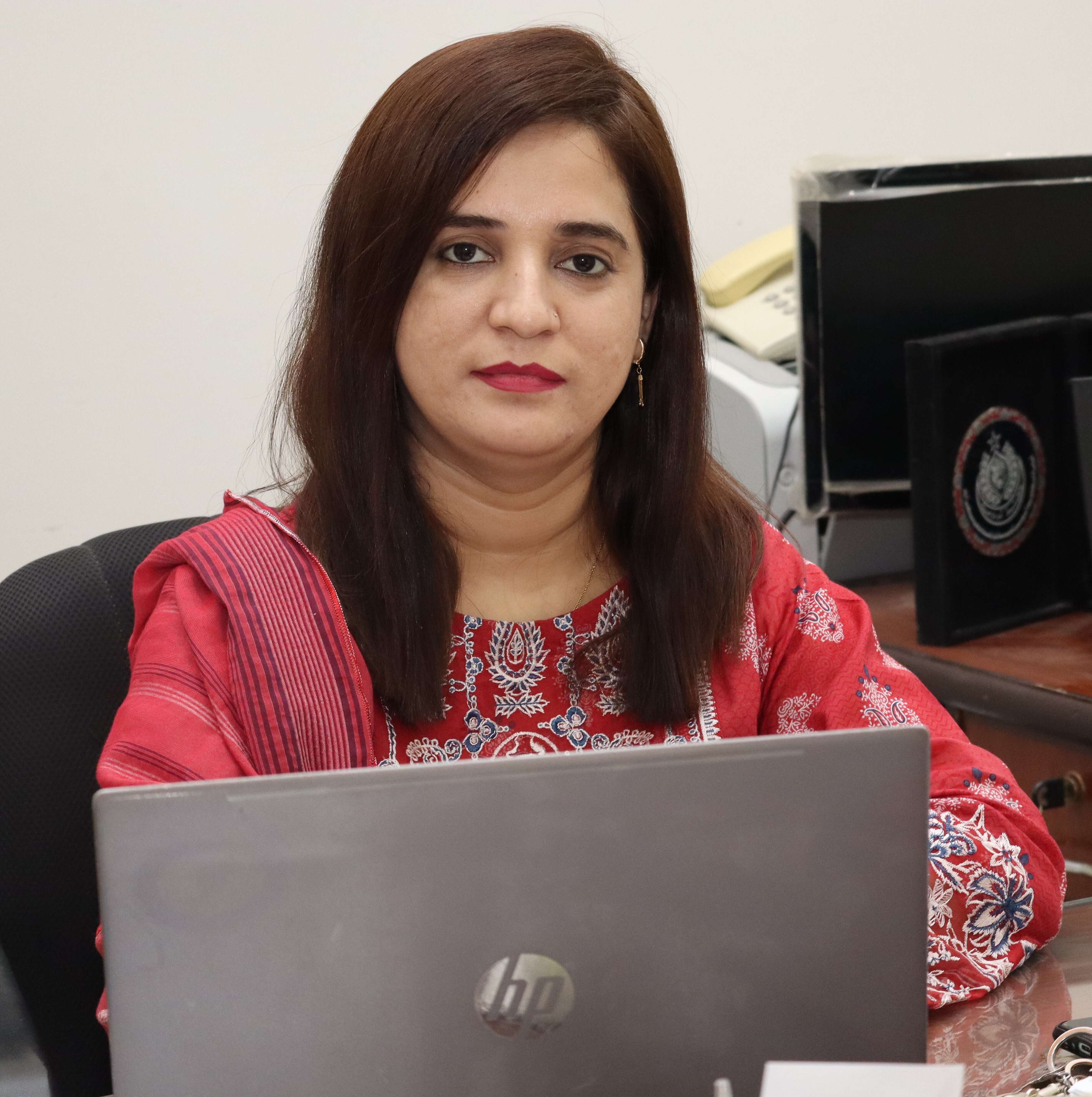
Ms. Marina Sherbaz Mari
Assistant Professor
M.S (Information Technology), Pakistan
PhD in progress
Email: marina@sbbusba.edu.pk

Dr. Zaira Hassan Amur
Lecturer
M.Phil (Information Technology), Pakistan
PhD (Information Technology), Malaysia
Email: zairahassan@sbbusba.edu.pk

Mr. Umair Ramzan Sheikh
Lecturer
M.S (Information Technology), Pakistan
PhD in progress
Email: umairsheikh@sbbusba.edu.pk

Mr.Ghulam Mustafa
Lecturer
M.S (Information Technology), Pakistan
PhD in progress
Email: ghulammustafa@sbbusba.edu.pk

Dr. Hina Moiz Bhanbhro
Lecturer (on study leave)
M.E (Computer Systems Enginering), Pakistan
Phd (Information Technology) Universiti Teknologi PETRONAS, Malaysia
Email: hina@sbbusba.edu.pk
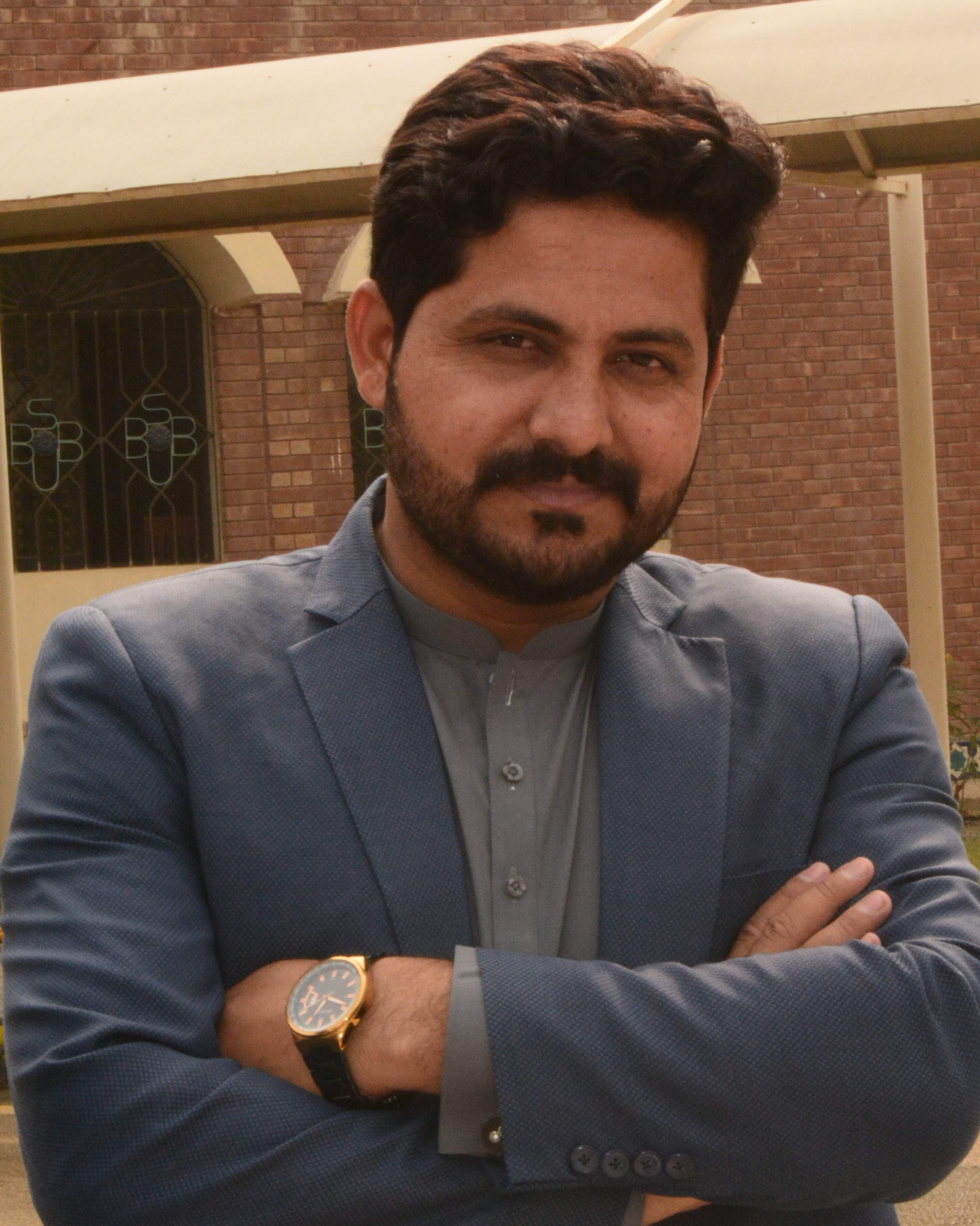
Mr. Abdul Jabbar Brohi
Lecturer
M.S (Information Technology), Pakistan
Email: abduljabbar@sbbusba.edu.pk

Mr. Imran Asif Memon
Lecturer (on study leave)
M.S (Information Technology), Pakistan
Email: imran.asif.memon@sbbusba.edu.pk
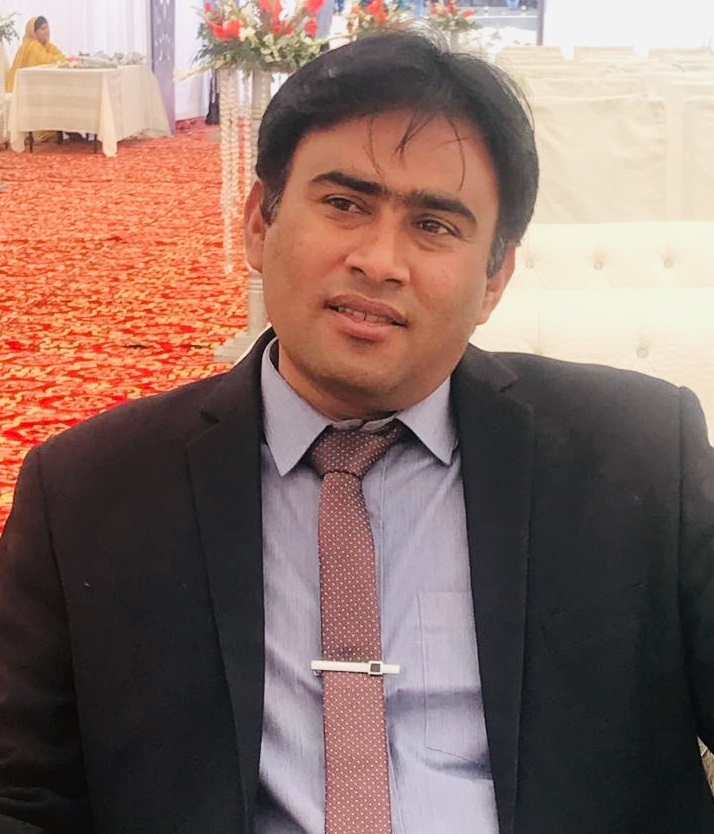
Engr. Pervaiz Ali Khaskheli
Lecturer
M.E (Computer Engineering), South Korea
PhD in progress
Email: pervaizali@sbbusba.edu.pk

Miss. Qamar-Un-Nisa
Lecturer (on study leave)
M.S (Information Technology), Pakistan
PhD in progress
Email: nisasoomro@sbbusba.edu.pk
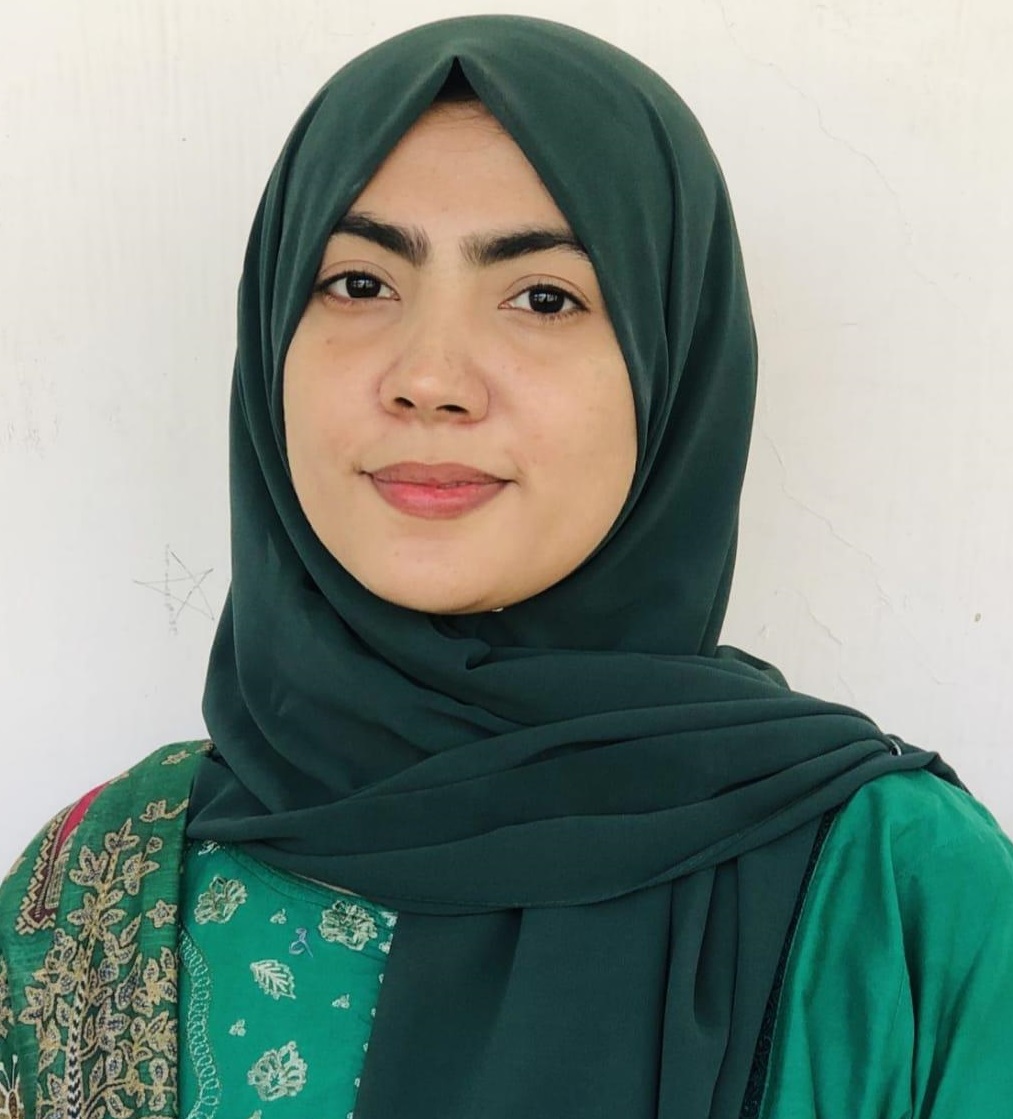
Miss. Waseema Batool
Lecturer
M.S (Information Technology), Pakistan
Email: waseemabatool@sbbusba.edu.pk
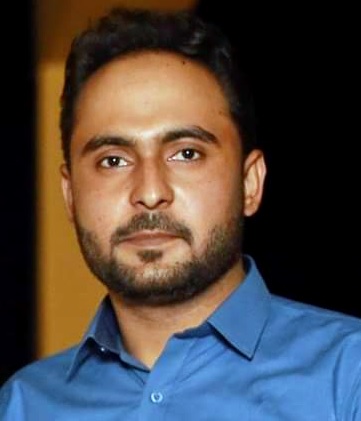
Mr. Shahid Ali Jamali
Lecturer
M.S (Computer Science), China
Email: shahid.ali@sbbusba.edu.pk
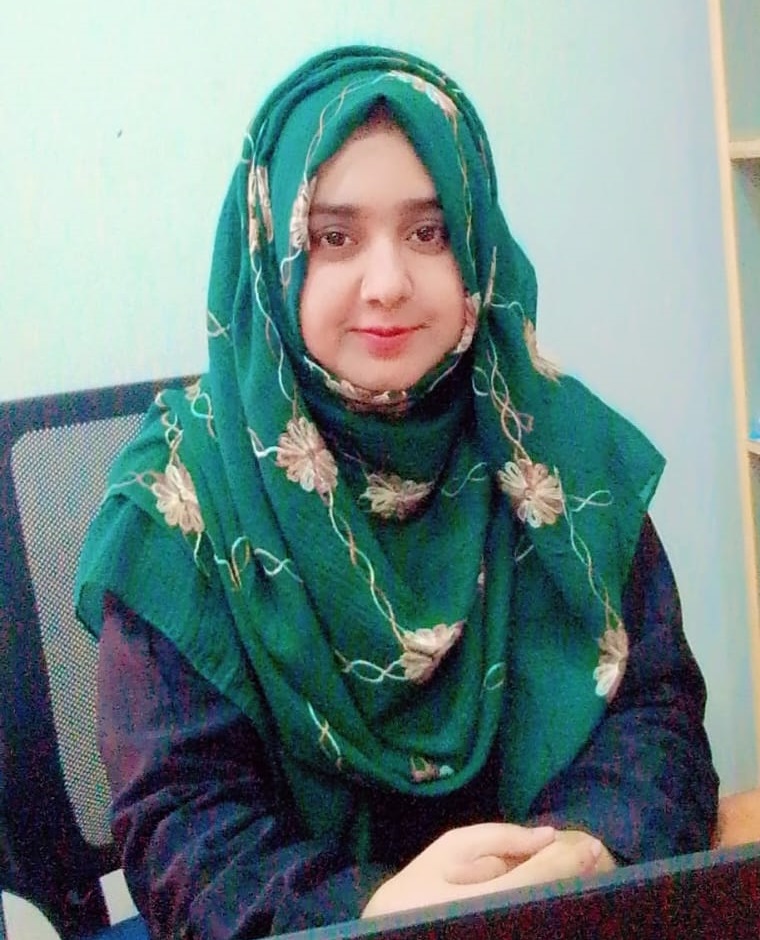
Miss. Mah Saba Maheen
Lecturer
M.S (Information Technology), Pakistan
Email: sabamaheen@sbbusba.edu.pk
| SNo. | Subject | Credit Hours | Marks |
|---|---|---|---|
| 1 | Programming Fundamentals | 4 (3+1) | |
| 2 | Basic Electronics | 3 | |
| 3 | Calculus and Analytical Geometry | 3 | |
| 4 | Fundamentals of ICT | 3 (2+1) | |
| 5 | Functional English(English-I) | 3 | |
| 6 | Islamic Studies/Ethics | 2 | |
| Total | 18 | ||
| SNo. | Subject | Credit Hours | Marks |
|---|---|---|---|
| 1 | Object Oriented Programming | 4 (3+1) | |
| 2 | Digital Logic Design | 3 | |
| 3 | Discrete Structures | 3 | |
| 4 | Principles of Psychology | 3 | |
| 5 | Communication Skills (English-II) | 3 | |
| 6 | Probability and Statistics | 3 | |
| Total | 19 | ||
| SNo. | Subject | Credit Hours | Marks |
|---|---|---|---|
| 1 | Data Structures and Algorithms | 3 | |
| 2 | Pakistan Studies | 2 | |
| 3 | Principles of Accounting | 3 | |
| 4 | Digital Logic Design | 4 (3+1) | |
| 5 | Technical and Report Writing (English-III) | 3 | |
| 6 | Linear Algebra | 3 | |
| Total | 18 | ||
| SNo. | Subject | Credit Hours | Marks |
|---|---|---|---|
| 1 | Organizational Behavior | 3 | |
| 2 | Computer Communication and Networks | 3 | |
| 3 | Software Engineering | 3 | |
| 4 | Database Systems | 4(3+1) | |
| 5 | Multimedia Systems and Design | 3 | |
| 6 | Operating Systems | 3* | |
| Total | 19 | ||
| SNo. | Subject | Credit Hours | Marks |
|---|---|---|---|
| 1 | Internet Architecture & Protocols | 3 | |
| 2 | Systems and Network Administration | 3* | |
| 3 | OO Analysis & Design | 3 | |
| 4 | DB Administration & Management) | 3* | |
| 5 | Web Systems and Technologies | 3 | |
| 6 | Technology Management | 3 | |
| Total | 18 | ||
| SNo. | Subject | Credit Hours | Marks |
|---|---|---|---|
| 1 | Human Computer Interaction | 3 | |
| 2 | IT Elective- I | 3 | |
| 3 | IT Elective- II | 3 | |
| 4 | IT Elective- III | 3 | |
| 5 | IT Project Management | 3 | |
| 6 | Cloud Computing | 3 | |
| Total | 18 | ||
| SNo. | Subject | Credit Hours | Marks |
|---|---|---|---|
| 1 | Capstone Project Part I | 3 | |
| 2 | Data & Network Security | 3 | |
| 3 | IT Elective IV | 3 | |
| 4 | IT Elective V | 3 (2+1) | |
| 5 | System Integration and Architecture | 3 | |
| Total | 15 | ||
| SNo. | Subject | Credit Hours | Marks |
|---|---|---|---|
| 1 | Capstone Project Part II | 3 | |
| 2 | Professional Practices | 3 | |
| 3 | IT Elective VI | 3 | |
| 4 | IT Elective VII | 3 | |
| - | - | - | |
| Total | 12 | ||
Scheme of Study of MS(IT)
| SNo. | Course Title | Credit Hours |
|---|---|---|
| 1 | Advance Operating System (Core-01) | 03 |
| 2 | Advance Database Management System (Core-02) | 03 |
| 3 | Research Methods (Compulsory/Elective-01) | 03 |
| Total | 09 |
| SNo. | Course Title | Credit Hours |
|---|---|---|
| 1 | Cryptography (Core – 03) | 03 |
| 2 | Machine learning (Elective-02) | 03 |
| 3 | Internet of Things (Elective-03) | 03 |
| Total | 09 |
| SNo. | Course Title | Credit Hours |
|---|---|---|
| 1 | Wireless Sensor Networks (Elective-04) | 03 |
| 2 | Advance Artificial Intelligence (Elective-05) | 03 |
| Total | 06 |
| SNo. | Course Title | Credit Hours |
|---|---|---|
| 1 | MS Thesis-I and II | 06 |
| Total | 06 |
Research Methods course should be compulsory for those students who will go for Research Thesis.
Credit Hour Distribution
- Core Course Credit Hours: 09
- Elective Course Credit Hours: 15
- Thesis Credit Hours: 06
Registration Requirements for MS Thesis
Registration in MS Thesis is allowed provided the student has fulfilled the following requirements:
- Earned at least 18 credit hours (after one year) and is allowed for Initial Seminar/Proposal Defense.
- Passed the Research Methods course.
- CGPA is equal to or more than 2.5.
Core Subjects
- Advance Operating System.
- Advance Database Management System.
- Cryptography.
Notes
- The Chairman of the Department of Information Technology may modify or change Elective Courses as needed.
- The selection of an elective course depends on the availability of faculty to teach the subject.
List of Elective Courses
Below are the proposed elective courses, but this list is not restrictive. Additional elective courses may also be offered beyond the list provided below.
- Analysis of Stochastic Systems
- Advance analysis of algorithms
- Advance Operating Systems
- Applied Cryptography
- Business Continuity Planning
- Cloud Computing Security
- Advance Artificial Intelligence
- Cognitive Security
- Machine Learning
- Internet of Things
- Wireless Sensor Networks
- Computer Forensics
- Computer Security
- Critical Infrastructure Protection and Incident Management
- Data Communication Networks & Security
- Digital Forensics and Incident Response
- Forensics: Open Source, Windows, Apple-device
- Information Hiding
- Information Risk Management
- Information Security Management
- Information Security Policy Development
- Information Security Project Management
- Information Technology Forensics and Investigations
- Intrusion Detection in Physical and Virtual Networks
- Intrusion Detection System
- IT Security Evaluation & Auditing
- Legal Issues in Information Security
- Mobile Security
- Multimedia Security and Information Hiding
- Network Forensics
- Network Security
- OS & File System Forensics
- Principles of Incident Response and Disaster Recovery
- Quantum Computing and Information Security
- Quantum Cryptography
- Research Methodology
- Reverse Engineering and Malware Analysis
- Securing Applications, Web Services, and Software as a Service (SAAS)
- Security Audit & Assessment
- Socio-technical Systems Enabled Crime
- Software Security Testing and Code Assessment
- Steganography
- Systems / Network Security
- Vulnerability Exploitation and Defense
- Wireless Network Security
- Wireless